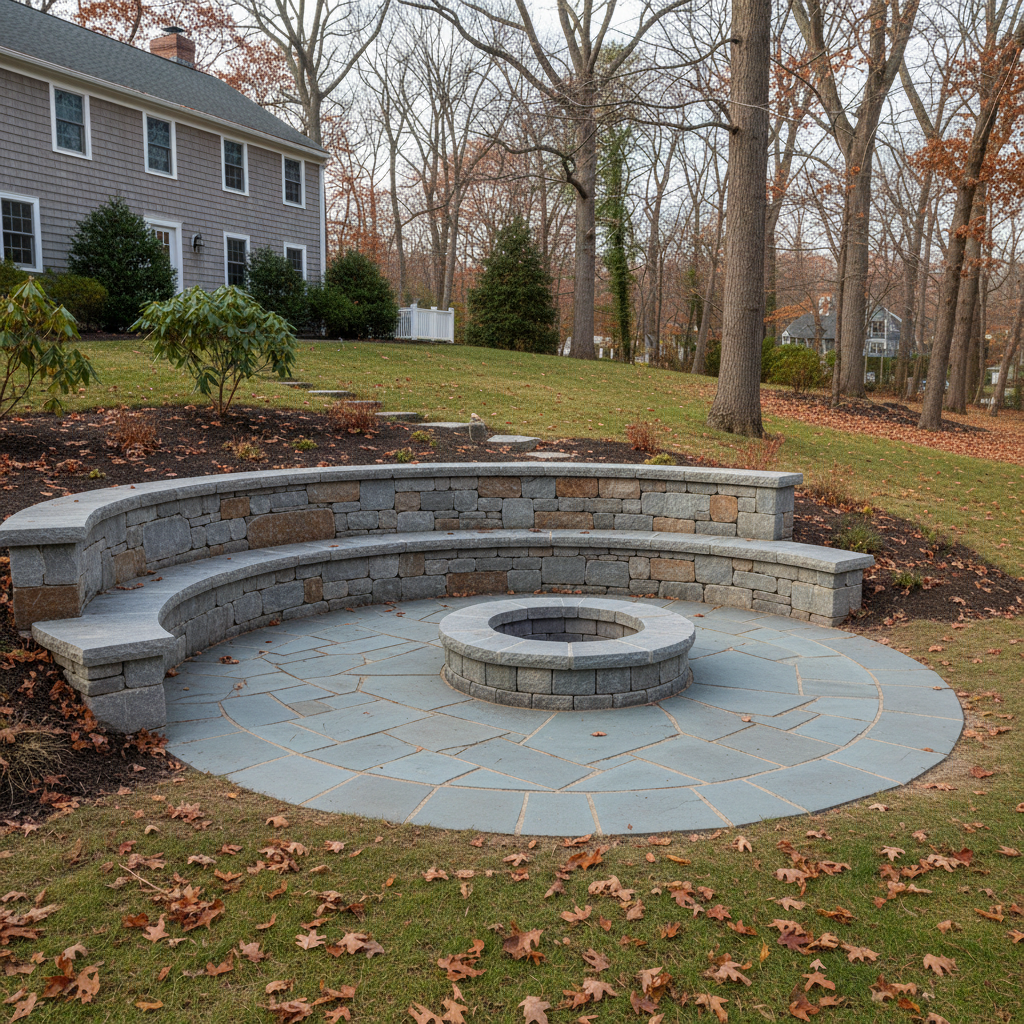
When's the best time to get that new stone patio laid, or finally fix that crumbling retaining wall? It's a question I get asked a lot here at Ace Masonry Co., especially from folks around Newton Centre or over in Waban. And honestly, the answer isn't always as simple as 'whenever you're ready.' Our New England climate, with its wild swings, really dictates when masonry work can be done properly and when it's best to hold off.
Understanding Newton's Seasons and Your Masonry
You know how it is here in Newton; we get all four seasons, and sometimes it feels like we get them all in one week. That's great for fall foliage, but it's a real challenge for mortar, concrete, and natural stone. Here's the deal with each season:
Spring (Late April to Early June): This is often a sweet spot. The ground has thawed, temperatures are usually above freezing, and we're not yet into the scorching heat or torrential downpours of summer. It's prime time for starting new projects like walkways, patios, or even foundation repairs. The moderate temperatures allow mortar to cure slowly and strongly, which is exactly what you want for longevity.
Summer (Mid-June to August): We can definitely work in the summer, but it comes with its own set of considerations. High heat can make mortar dry too quickly, weakening it. We might need to take extra steps like misting the work or using special admixtures to slow down the curing process. And let's not forget those sudden thunderstorms that can wash out fresh work if we're not careful. For things like outdoor fireplaces or intricate stone veneer, summer's fine, but we're always watching the forecast.
Fall (September to Mid-November): Another fantastic window for masonry. Like spring, the temperatures are usually ideal – cool but not freezing. This is often when people realize their chimney needs some attention before winter, or they want to get that last landscaping project done. Just keep an eye on those overnight lows. Once we start consistently dipping below 40°F, we're on borrowed time for certain types of work, especially anything involving fresh concrete or mortar that needs to set properly.
Winter (Mid-November to March): Generally, winter is a no-go for most exterior masonry work. Mortar and concrete need specific temperatures to cure correctly. If water in the mix freezes before it sets, it expands, causing cracking and structural weakness. It's just not worth the risk. We can do some interior work, sure, or very specific, protected exterior repairs if conditions are just right and we can use heated enclosures and special cold-weather additives. But for most projects, we're planning for spring.
Why Temperature Matters So Much
It all comes down to chemistry. Mortar and concrete cure through a process called hydration, which is a chemical reaction with water. This reaction needs specific temperature ranges to happen effectively. Too cold, and the water freezes, stopping the reaction and damaging the material. Too hot, and the water evaporates too quickly, leading to a weak, brittle product. We're always aiming for that Goldilocks zone, where it's just right.
Think about the freeze-thaw cycles we get here in Newton. Water seeps into tiny cracks in your stone or mortar, freezes, expands, and then thaws. Over time, this process, called 'spalling,' can really do a number on your masonry. That's why proper installation and quality materials are so crucial from the start.
Protecting Your Investment Year-Round
Once your masonry is in place, you want it to last, right? Here are a few things you can do:
Keep it Clean: Dirt, moss, and mildew can hold moisture against the stone, accelerating wear. A gentle wash with water and a soft brush once a year can make a big difference. Avoid high-pressure washers on older or delicate masonry, as they can do more harm than good.
Check for Cracks: Do a visual inspection a couple of times a year, especially after winter. Look for new cracks in mortar joints or spalling on stone surfaces. Catching small issues early can save you a lot of money down the line.
Manage Water: This is huge. Make sure your gutters are clean and directing water away from your foundation and masonry walls. Poor drainage is a silent killer of masonry. If water is pooling near your patio or foundation, address it. You might need to regrade or add a French drain.
Seal (Sometimes): For some types of stone or concrete, a breathable sealer can offer an extra layer of protection against water penetration and staining. But this isn't a one-size-fits-all solution; some masonry needs to breathe. Talk to a pro like us at Ace Masonry Co. before you seal anything.
Ultimately, getting your masonry done at the right time of year sets it up for success. It ensures the materials cure properly, giving you a durable, beautiful result that stands up to whatever a Newton winter throws at it. If you're thinking about a project, give us a call. We can talk through the best timing for your specific needs and get it done right.